Reception

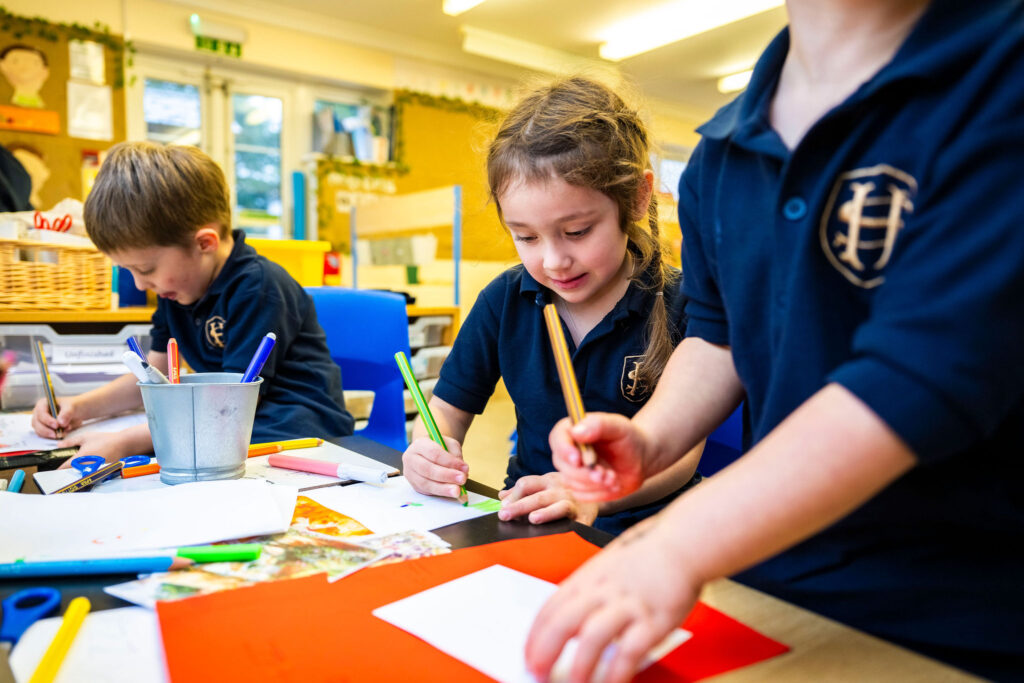
Reception at Sherborne House is made up of two connected classrooms, each with its own dedicated class teacher and a learning support assistant. Our small class sizes ensure that each child receives individual attention and support throughout their day. While the two classrooms remain separate for focused teaching, the children have the freedom to move between both rooms and the outdoor learning environment during continuous provision. This flexible approach supports independence, encourages exploration, and helps to foster a strong sense of community among the Reception cohort.

A day in Reception

A day in Reception at Sherborne House begins at 8:30am and finishes at 4:00pm, offering a rich, structured routine that supports both academic and personal development. Each day includes focused lessons in phonics, maths, and literacy, carefully planned to meet each child’s individual needs and ensure accelerated progress. Building on their Pre-Reception experience, children benefit from specialist teaching in French, Music, and PE, enriching their learning in a broad and balanced way.

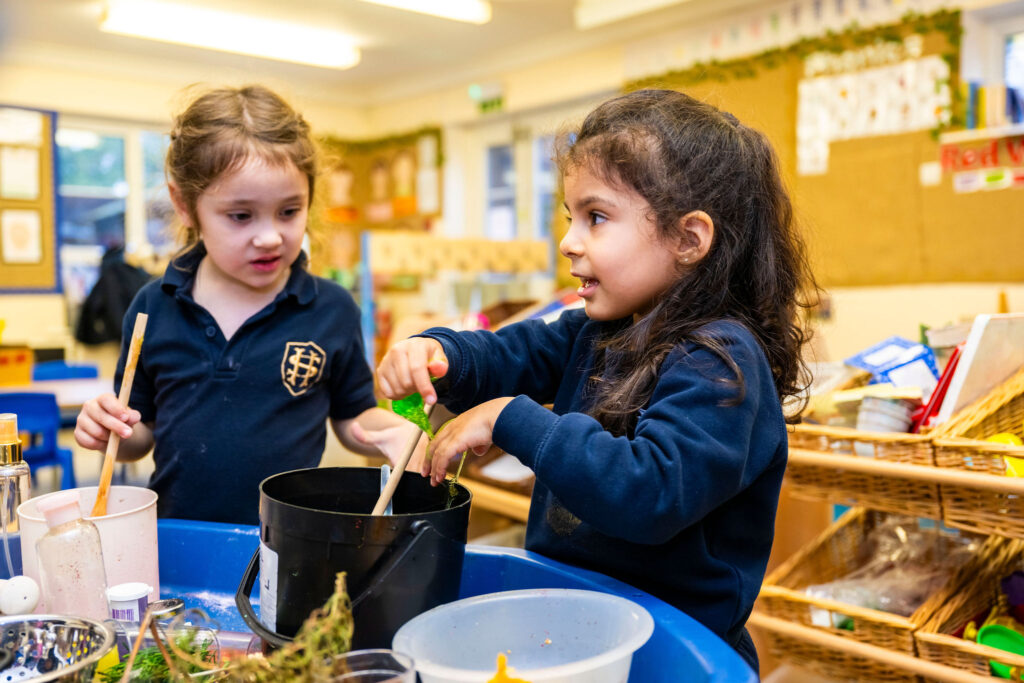
Our weekly Forest School sessions are a much-loved highlight, uniquely designed to spark children’s natural curiosity. These outdoor adventures encourage hands-on exploration, nurturing a love of learning through self-discovery.

Lunchtimes are a particularly special part of the day. Reception children sit and eat with their class teacher, creating a calm, social environment where friendships are deepened, stories are shared, and moments like birthdays and holidays are celebrated. Children enjoy healthy, balanced meals that meet the Department for Education’s food and nutrition standards. Our seasonal menus are updated each half term, and we warmly welcome parent suggestions. Please click here to view our lunch menu.
Reception curriculum

At Sherborne House, we follow the Early Years Foundation Stage (EYFS) Framework, with the seven areas of learning integrated throughout our curriculum. We believe that children thrive when they are passionate about what they’re learning, which is why we tailor our curriculum each year to the unique needs and interests of every child. This personalised approach ensures that our Reception children develop the skills, knowledge, and confidence they need to transition smoothly into Year 1, ready to continue writing their own extraordinary stories.

Communication and Language

Communication and Language

Language development is a fundamental aspect of a child’s Reception experience at Sherborne House. With small class sizes, children have the opportunity to engage in meaningful, high-quality conversations with both staff and peers throughout the day, promoting rich language interactions.

Children are encouraged to expand their vocabulary by exploring new words, and they are supported in asking questions to deepen their understanding. Daily reading sessions further enrich their language development, helping them acquire new vocabulary in context.

Our morning circle time provides a valuable space for children to share news with their peers, offering opportunities to practice speaking in front of others and engage in longer, topic-relevant conversations. Sharing weekend news on Tapestry also supports listening and attention skills, enabling children to listen attentively to their friends while building confidence in their communication abilities.

Personal, social and emotional

Personal, social and emotional

In Reception, we prioritise Personal, Social and Emotional Development through a range of supportive and engaging practices. Each week, we hold circle times to explore emotions, friendships, and problem-solving in a safe and nurturing space. We address challenges as they arise, using real-life situations to guide children in managing emotions and resolving conflicts. Our adults often role-play scenarios with the children to help them understand different perspectives and develop empathy. Sharing, turn-taking, and respecting others are embedded in our daily routines, and children are given positions of responsibility to foster independence and a sense of belonging. As a class community, we work together to create our own charter, encouraging ownership of behaviour and a shared commitment to our values.

Physical development

Physical development

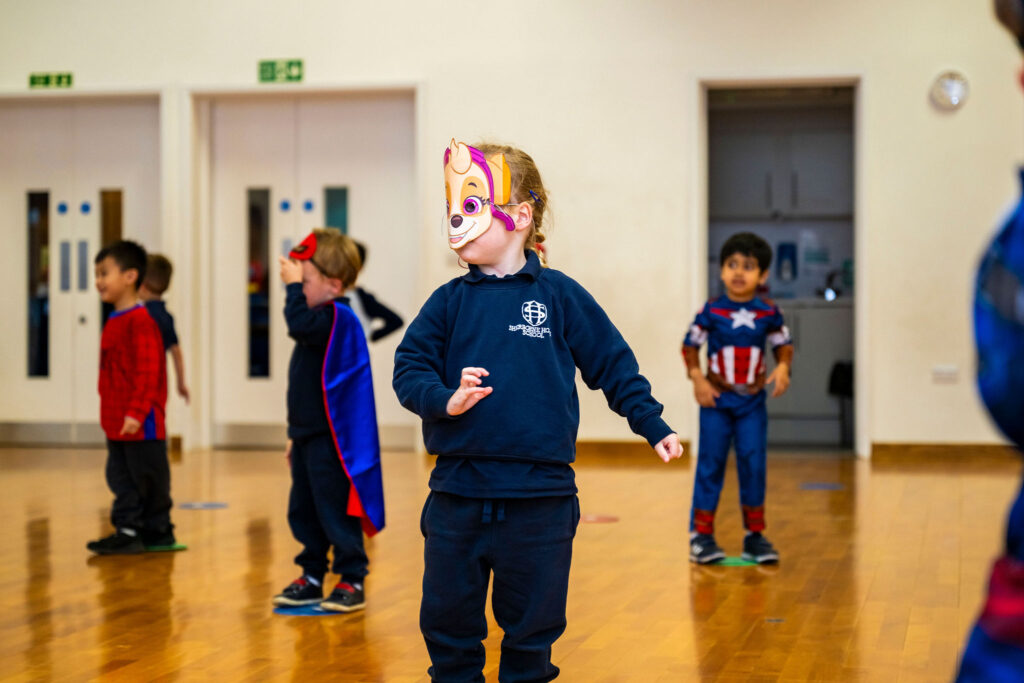
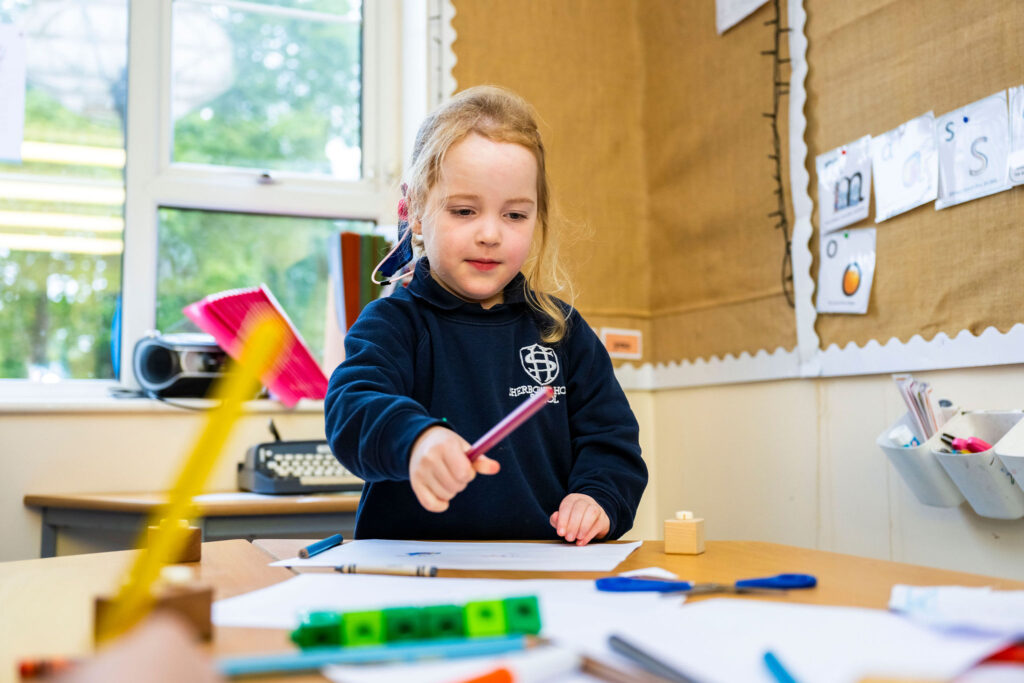
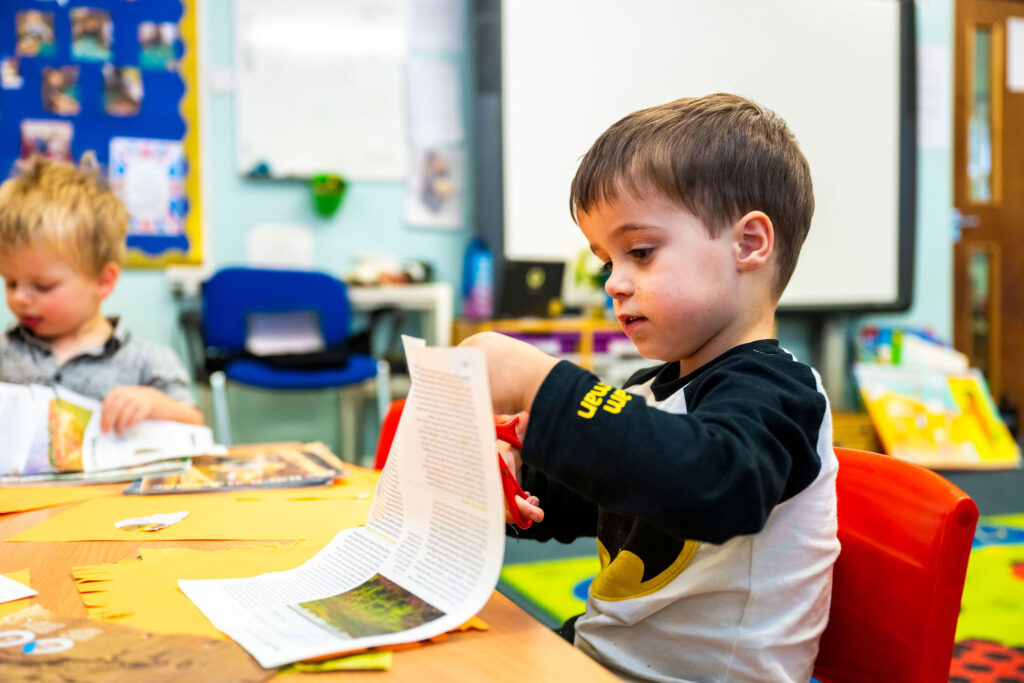
In Reception, physical development is supported through a rich variety of structured and exploratory experiences. Children take part in three weekly PE sessions, where they build core movement skills through games, ball activities, gymnastics, and dance. These sessions develop coordination, balance, strength, and confidence. Our outdoor area also plays a vital role, offering space for climbing, running, and active play. At Forest School, children further build physical resilience by swinging from trees, carrying heavy resources, and moving through natural terrain. Alongside gross motor development, we focus on fine motor skills through activities like cutting, drawing, threading, and building with small construction materials—helping to prepare children for writing. We also encourage independence in self-care, such as dressing, managing hygiene, and making healthy choices, supporting their overall wellbeing and readiness for learning.

Literacy

Literacy

Literacy is taught every day in Reception through a balance of structured teaching and play-based learning. Children begin by retelling their favourite stories and sequencing key events, using story maps to help identify the beginning, middle, and end of a narrative. As their phonics knowledge grows, they begin to write CVC words and short phrases, gradually building the confidence to write independently and apply their skills across the continuous provision. Throughout the year, children explore a wide range of fiction and non-fiction texts and enjoy writing for a variety of purposes—creating labels, postcards, letters, instructions, posters, and even innovating their own imaginative stories. We believe that children who develop a love of reading open the door to a world of curiosity, creativity, and lifelong learning.

Maths

Maths

At Sherborne House, children develop a strong and secure foundation in mathematics. Our Reception learners build confident number knowledge and begin to use verbal reasoning to explain their thinking. They explore key concepts such as subitising, number bonds, addition, and subtraction through hands-on, engaging activities. At SHS, we nurture keen mathematicians by providing rich problem-solving opportunities that stretch their thinking and encourage logical reasoning. Beyond number work, children investigate measures including length, capacity, and weight. They are encouraged to predict, compare, and test their own hypotheses. Children confidently choose and use concrete or pictorial resources to support their learning, developing independence and a deep understanding of mathematical ideas.

Understanding the World

Understanding the World

In Reception, children develop their understanding of the world through curiosity-led learning, hands-on experiences, and meaningful connections to their everyday lives. We place great value on the children’s own experiences outside of school, encouraging them to share stories from home and use these as springboards for class discussions and projects. Through visits to local landmarks such as Hiltingbury lakes, the library, cafés, and post boxes, children build a strong sense of their community and environment, learning about the roles people play and how places are connected.

Children begin to make sense of their world by exploring past and present, recognising how life has changed over time and learning to use simple vocabulary to describe events. They develop an awareness of the natural world by observing the seasons, exploring life cycles, and engaging with nature through activities such as planting, bug hunting, and Forest School. These experiences help children notice patterns, ask questions, and form explanations based on their observations.

As part of our commitment to diversity and inclusion, children also learn about a range of cultures, traditions, and beliefs. Through stories, celebrations, and artefacts, they begin to understand the importance of respecting different faiths and communities, developing empathy and a global perspective. These explorations help children lay the foundations for becoming thoughtful, informed, and respectful citizens of the wider world.

Expressive Arts and Design

Expressive Arts and Design

In Reception, Expressive Arts and Design is brought to life through rich, hands-on experiences that nurture creativity, imagination, and self-expression. Children receive weekly art lessons where they are encouraged to create collaboratively—sharing ideas, resources, and developing skills alongside their peers. They explore a variety of media and techniques including sketching, painting, clay modelling, junk modelling, collage, and printing. As part of their creative journey, children are taught to mix colours purposefully to match what they see and to handle tools and materials with increasing care and precision.

Children also receive weekly music and singing lessons led by our Director of Performing Arts. Through repeated exposure and gradual introduction of new songs, children become familiar with melodies, rhythms, and musical structures. These sessions help to develop their listening skills, memory, and expressive confidence. Whether singing in a group, experimenting with instruments, or moving in response to music, children are supported to express their ideas and feelings through both visual and performing arts. Our curriculum aims to spark joy, nurture talent, and lay the foundation for a lifelong love of the arts.

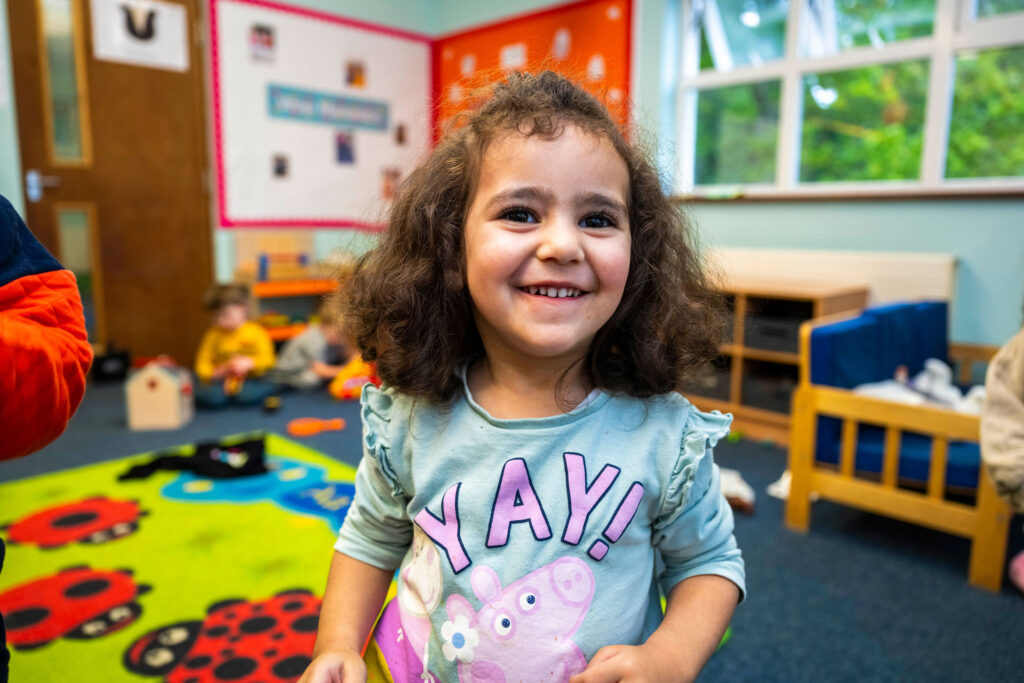
“Reception at Sherborne House is a nurturing, supportive, and calm environment where children feel safe, valued, and excited to learn. We take great pride in seeing our children start school with confidence and happiness. They genuinely enjoy coming to school and love sharing their learning experiences with their families. We warmly welcome parents to be active partners in their child’s educational journey, building a strong foundation for lifelong learning together.” Head of EYFS

Assessment and reporting

At Sherborne House, we use Tapestry daily to keep parents informed about their child’s progress across the seven areas of learning in the Early Years Foundation Stage. Our Early Years team celebrates success as it happens, capturing and sharing ‘wow moments’ through photos and observations that highlight each child’s unique achievements.

Throughout the year, parents are invited into the classroom for formal parent evenings, where we discuss how children are settling in and the progress they are making. In addition, we host child-led conferences, giving children the opportunity to take ownership of their learning by reflecting on their work and connecting it to the Sherborne House skills framework. These moments not only celebrate progress but also foster confidence and independence. (Please click here to see our skills framework.)

At the end of the academic year, you will receive a report which contains your child’s progress against the Early Years Profile. The Early Years Foundation Stage (EYFS) profile summarises your child’s attainment at the end of reception. For each of the seventeen early learning goals your child will be awarded an outcome. This will be either:

  • ‘Emerging’ – meaning that the child is not yet reaching the expected level
  • ‘Expected’ – meaning the child has reached the expected level

The seventeen ELG’s form seven areas of development; Literacy, Maths, Personal, Social and Emotional Development, Understanding the World, Expressive Arts and Design, Communication and Language, Physical Development.

Parent resources